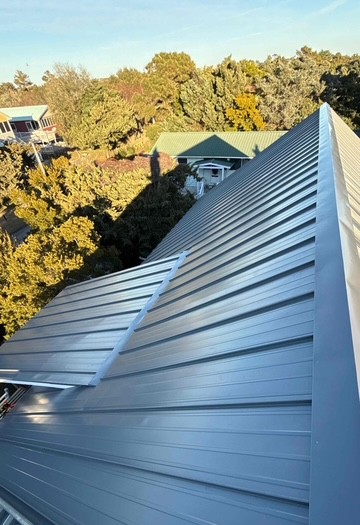
Grant funds can be a major help, but many homeowners discover that the total cost of a roof replacement (or a FORTIFIED upgrade) can still exceed what the grant will cover. When that gap happens, the key is to stack smart, reputable options—so you can finish the job correctly, stay compliant, and avoid cutting corners that cost more later.
One option worth knowing about is the Clean Energy Fund of the Carolina’s (CEFC), a nonprofit focused on making home improvement and resilient financing more accessible for homeowners in North and South Carolina.
Why grant funding sometimes falls short
If your goal is resilience (and potential insurance savings), finishing the project properly matters.
A practical way to close the gap
When financial assistance becomes necessary to bridge the gap, CEFC offers a residential grant to meet the need.
Carolina SURE: financing that doesn’t depend on a minimum credit score
CEFC’s Carolina SURE program highlights:
- availability across all counties in NC + SC
- no minimum FICO score requirement
- eligible project examples that include roof repair and replacement
- potential discounts for veterans, seniors, and households with limited income
This can be a strong “gap-closer” when you’re short after grant funds are applied.
If you’re recovering from storm damage
CEFC also describes Emergency Hurricane Relief Loans (in partnership with the Solar Energy Loan Fund) for people impacted by Hurricane Helene in FEMA-designated disaster counties, including:
- no upfront costs
- no payments for 6 months
- no minimum credit score
- two loan options: $5,000 cash loan (3-year) and $10,000 home improvement loan (5-year)
If this applies to your situation, it can be another route to keep your roof project moving without pausing midstream.
How to choose the right option (without getting overwhelmed)
Here’s a simple decision flow:
- Confirm your grant amount + what it covers
- Get a contractor scope that matches the standard you’re targeting (basic re-roof vs. FORTIFIED pathway)
- Price the “gap” (grant + any insurance funds vs. full cost)
- Pick the cleanest gap solution
-
- financing (like Carolina SURE)
- emergency loan (if disaster-related)
- phased work only if it won’t break compliance (your evaluator can advise)
Where Coastal Fortified Home fits in
When you’re trying to maximize grant dollars and still reach a resilient end result, the details matter—especially documentation, sequencing, and coordinating with your contractor. If you want help mapping the cleanest path (and avoiding costly rework), contact info@coastalfortifiedhome.com and we’ll point you to the next step.